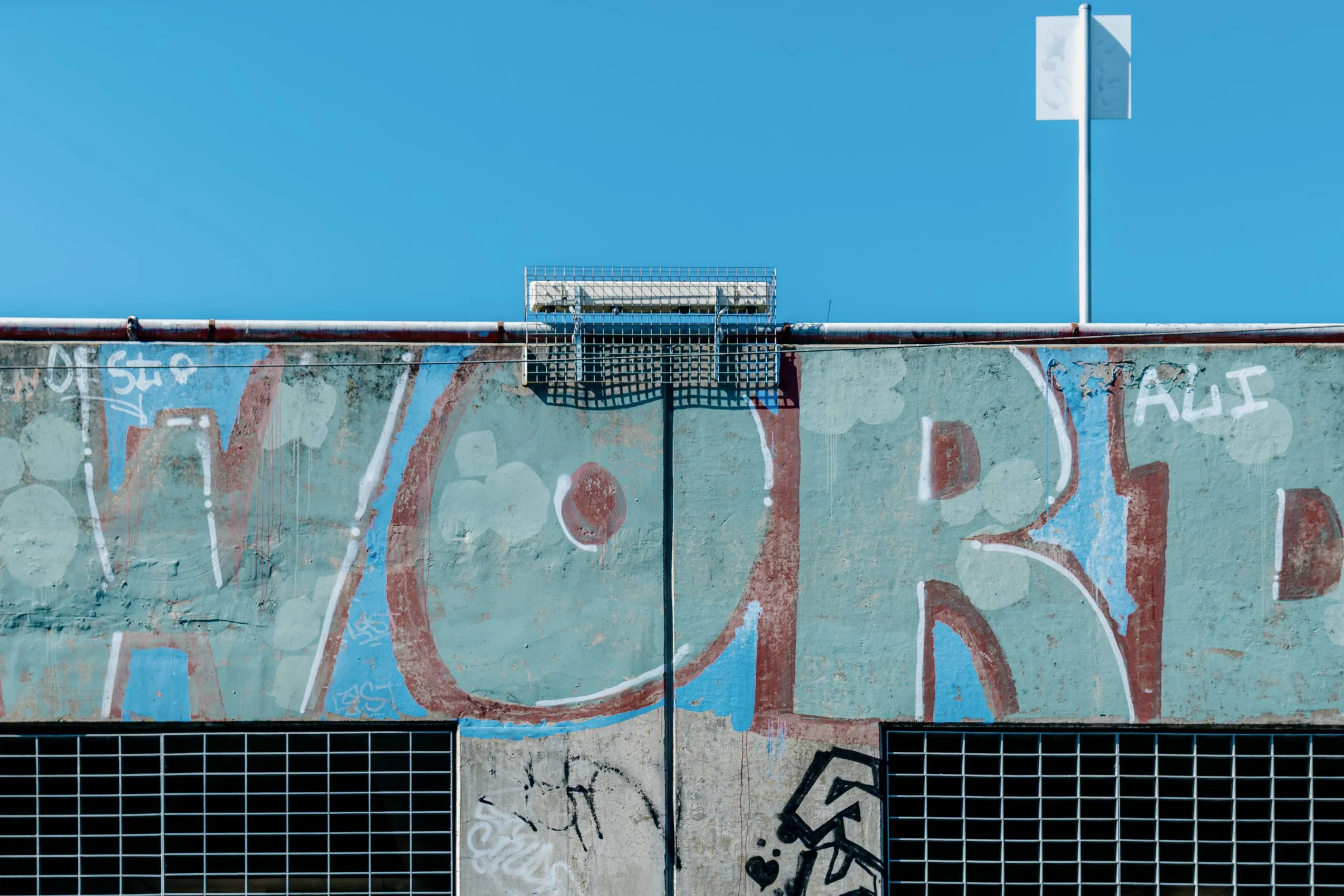


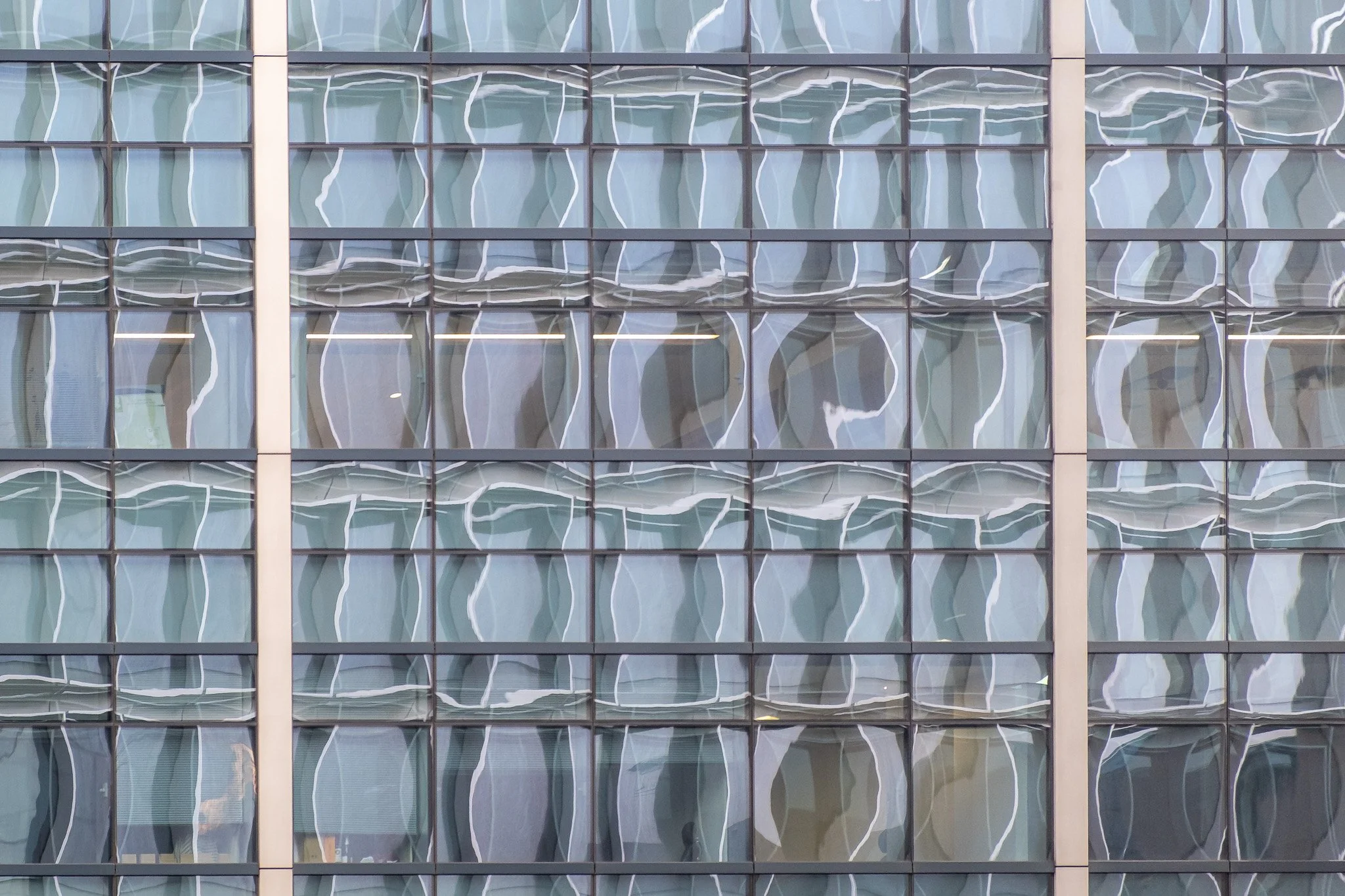
A preference for primary forms, repetitive surface patterns, and the interplay of lines, corners, and edges defines Tuck’s work. Within this apparent blandness, she seeks the extra or the “other”.
While humour helps to humanise and make the work memorable, finding beauty where none is inherent invites us to pause and notice the “super-small” ordinaries of everyday life, allowing multiple narratives about a place to emerge over time.
Energy within the subject is heightened through visual contrast, encroachment, or subtle intervention within its surroundings. Seasonal deterioration, along with traces of daily use and misuse, further shape the character and resonance of each scene.
By isolating fragments from the wider environment, Tuck creates refined, quieter views — moments of clarity stripped of excess, revealing a transparent and understated beauty.
Tuck positions the forgotten and the unimpressive as new “heroes,” drawing them away from visual noise.
Through subtle nuances rather than grand gestures, the unseen is revealed. Shadows confuse, reflections suggest, and distressed surfaces or nature breaking through cracks remind us of everyday life and gradual erosion through time and use.